We give visibility to what remains unseen.
H.A.N.D.S. designs and implements support methods that bridge scientific knowledge and human experience, and develops its own assessment tools so that visibility translates into measurable change. Our field of work ranges from autoimmune and neurological conditions to chronic pain, occupational burnout, hearing loss, learning difficulties, caring for a dependent person, bereavement and life transitions. We also explore the responsible use of artificial intelligence in supporting these groups.
To inform, raise awareness and support people facing invisible health and life challenges, as well as their family and care networks, through evidence-based interventions, education and the development of assessment tools.
Open societies and workplaces in which no challenge remains invisible and conditions adapt to people. We aim to reach as many people as possible, within and beyond the borders of the European Union, and to serve as a point of reference and a channel of dialogue between society, the labour market and institutions.
We make visible the challenges that too often remain unseen, deepen understanding of them and create the conditions for meaningful inclusion. We design educational programmes, develop assessment and counselling tools, engage in dialogue with businesses, educational bodies and institutions, and seek European partnerships to develop and transfer good practice.
Disability is not an attribute of the person. It is the distance between a person and an environment that does not take them into account.
The UN Convention on the Rights of Persons with Disabilities recognises disability as an evolving concept that results from the interaction between a person and attitudinal and environmental barriers. From this perspective, a workplace without flexibility, a classroom without adjustments or a service that does not listen can all act as barriers. H.A.N.D.S. works so that conditions adapt to people, and not the other way round, by promoting reasonable accommodation, accessible communication and inclusion policies.
Read the UN Convention ↗What goes unrecognised goes unsupported.
H.A.N.D.S. was founded in August 2025 by a team with backgrounds in mental health, education, communication and management. We were brought together by a shared observation: difficulties that are not visible often go unrecognised, and therefore unsupported. This observation shaped our commitment to making them understood and to creating meaningful forms of support.
Principles that guide every action.
Inclusion
We treat accessibility as a prerequisite, not an add-on. Every activity is designed to be accessible, with Greek Sign Language interpretation where required.
Collaboration
Social change is a collective endeavour. We build partnerships with professionals, institutions, businesses, volunteers and communities, within and beyond national borders.
Scientific Evidence
Every intervention is grounded in scientific knowledge and international best practice, and is evaluated for its real-world impact.
Transparency
We are accountable for every resource entrusted to us, through measurable results and public activity reports.
Four pillars, one purpose.
Visibility & Awareness
We bring invisible challenges into public dialogue through talks, events and digital content that challenge stereotypes.
Support & Guidance
We provide information and counselling guidance to people facing invisible challenges, as well as to those around them: families, carers and colleagues.
Education & Inclusive Environments
We train school, sports and professional communities to recognise needs and implement reasonable accommodation.
Knowledge & Innovation
We develop assessment tools and explore the responsible use of artificial intelligence in support services.
An ecosystem of people and organisations.
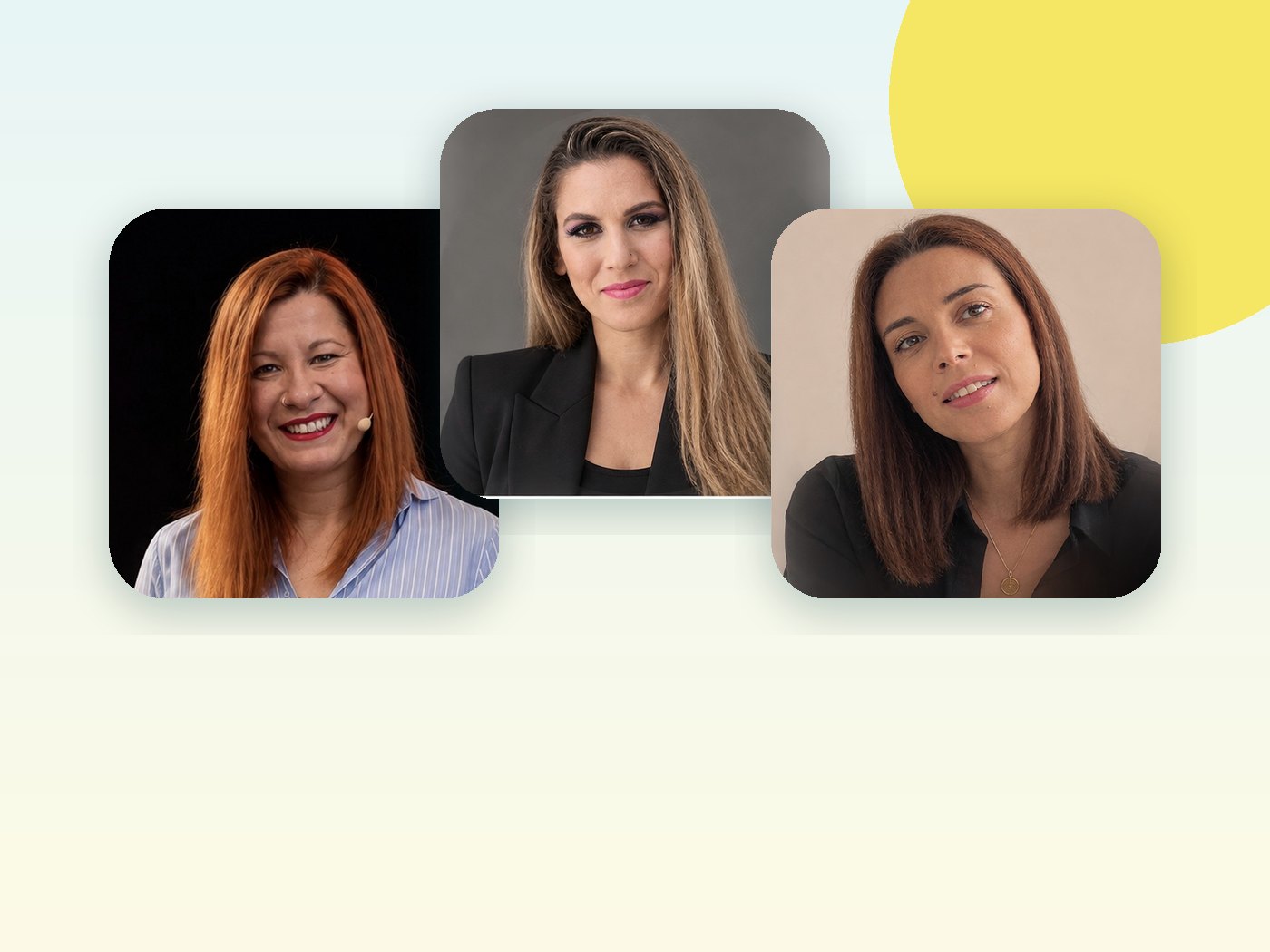
Mental health, education, communication, strategy.
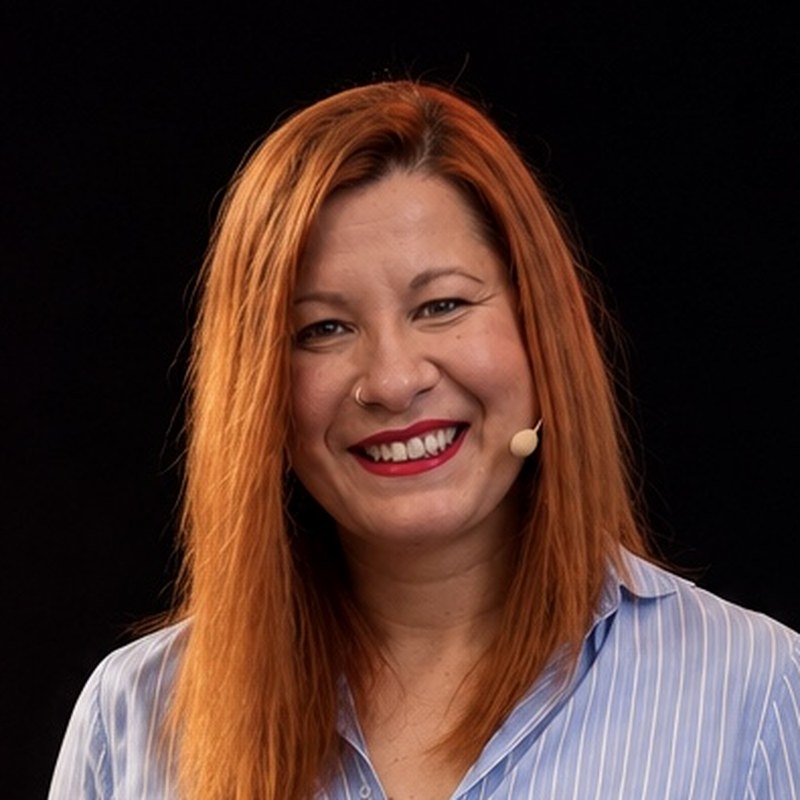
Mary Itsegko
Mental Health Counsellor and Psychology student, with a background in journalism and extensive experience in commercial management and strategic partnerships. She has complemented her training with seminars in forensic and investigative psychology, marketing and human resource management, and has taken part in scientific conferences on neuropsychology and neurology. She leads the organisation's strategic direction and partnerships.
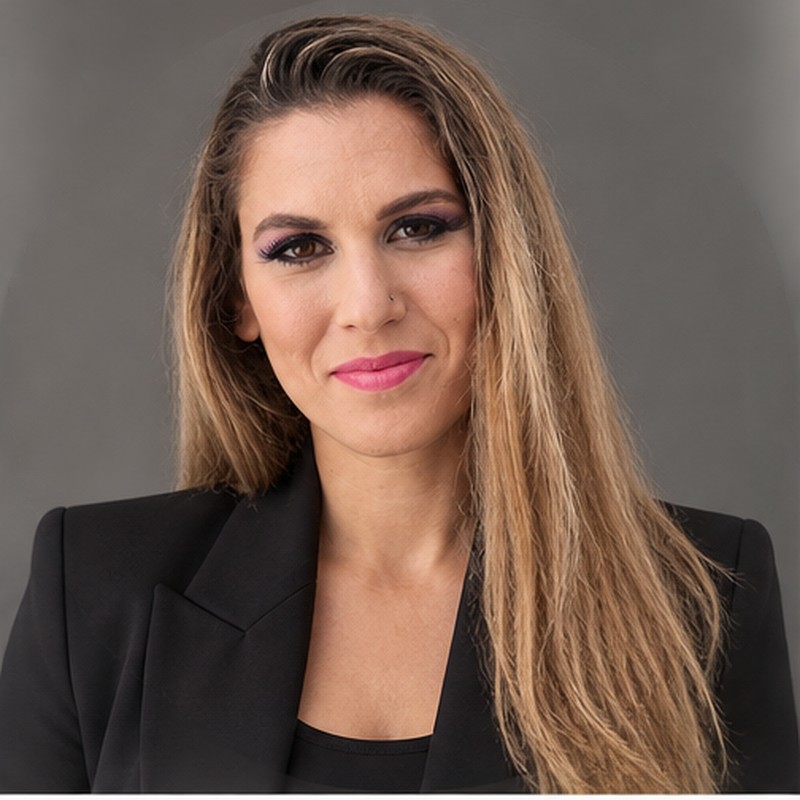
Christina Ioanna Nikolopoulou
Pedagogue with specialisations in special education, intercultural education and the teaching of Greek as a second language. A musician and composer, she coordinates the organisation's digital communication.
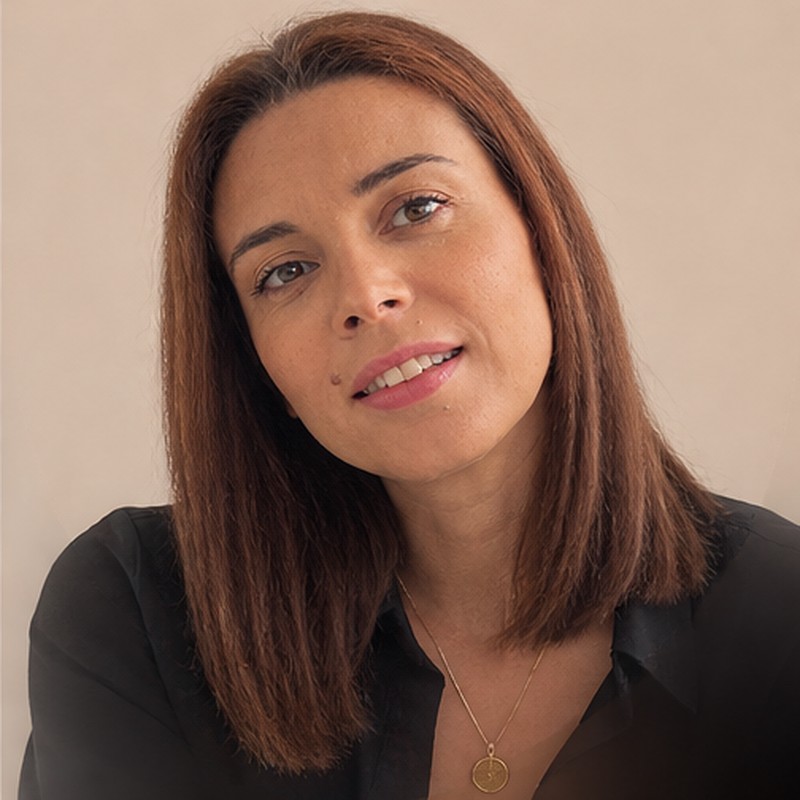
Katerina Nikolopoulou
Environmental Engineer with three years of training in mental health counselling and more than ten years of experience as a sales engineer, focused on partnership development.